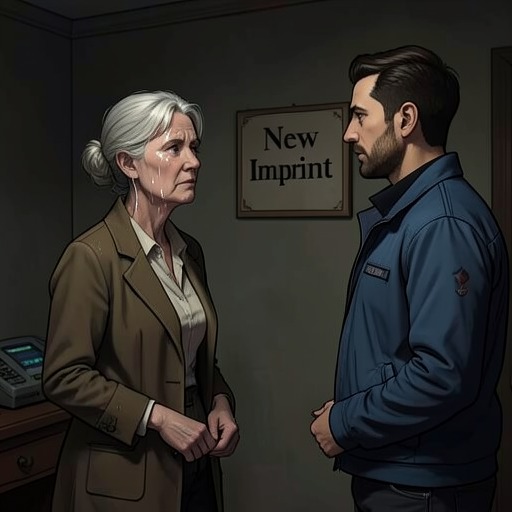
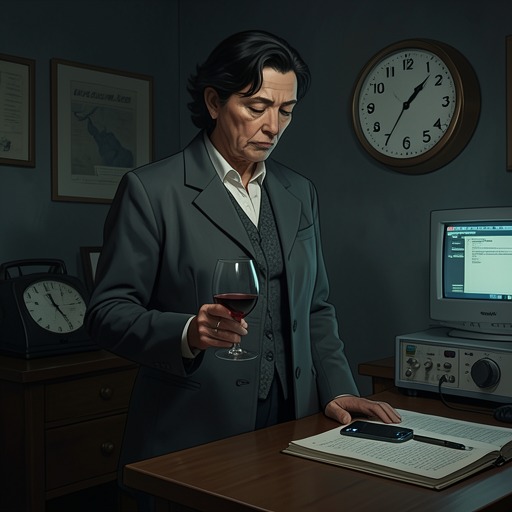
Zoe Marconi and Zach Marconi
Nine Perfect StrangersZoe Marconi and Zach Marconi are twins whose bond is defined both by the ordinary intimacy of growing up together and by the absence left when Zach dies shortly before their eighteenth birthday. Zoe’s changing account of their closeness traces a painful movement from distancing herself from him, through anger and guilt, toward a tentative sense of renewed connection. Their relationship continues to shape her birthday, her family’s grief, and the way she imagines her future.
Identity and Shared History
Zoe and Zach’s names were chosen as a matching pair, a fact Zoe calls cutesy when she tells Frances they were twins. Their shared birthday made the pairing more than a joke: they were born on the same day, and Zach died the day before their eighteenth birthday. The timing joined a family celebration to an anniversary of loss, leaving Zoe to negotiate what it meant to mark a day that had once belonged to both of them.
The surviving memories of their childhood are specific and unceremonious. They took turns reaching milestones: Zach was born first, Zoe walked first, Zach ran first, and Zoe earned her driver’s licence first, which made Zach jealous. They fought intensely, sometimes wanting to kill each other, but their quarrels did not last; after being sent to separate rooms, they would be back together within minutes, playing and laughing. Their mother, Heather, remembers this as the familiar rhythm of siblings who could clash and reunite with equal force.
Heather’s toast preserves the family’s ordinary picture of the twins: smart, funny, beautiful children whom she and Napoleon loved. She recalls that after the hard first months of parenting, the twins seemed especially precious once they were settled into a routine. The toast is pointedly not a story of Zach reduced to his death; it is the speech a proud mother might have made at a birthday gathering if both children were still present.
Death, Birthday, and Grief
Zach died by suicide three years before Zoe speaks with Frances. Zoe had brought wine to toast what would have been his twenty-first birthday, though she says she does not even like wine. The gesture makes the absent brother present in the gathering, even as Zoe initially minimizes their relationship by saying they were not close. That phrase repeats something a friend told her after Zach’s funeral, and its attempted comfort does not resolve what the loss means to her.
Zoe no longer celebrates her birthday on the twins’ January date. She moved it officially to March 18, a date she describes as nicer and cooler, and also her grandmother Maria’s birthday. The change has a practical and emotional purpose: she does not want her parents to face her birthday the day after the anniversary while they are still devastated. January remains difficult for the family, and Zoe’s new date is an effort to spare them an additional demand for celebration during the period of mourning.
The effort does not make grief feel temporary. As the third anniversary approaches, Zoe doubts that her parents will feel better after it; she has expected relief after earlier anniversaries, only to find that home and daily life remain much the same. She understands grief as something that affects the body as well as the mind, and describes her own life as waiting for an unspecified point at which things might improve. Her anger at Zach is bound up with the feeling that his death has left her carrying a lasting injury: she had felt that he had done it deliberately to make her feel bad forever, and that she could not forgive him.
The Twin Bond After Zach’s Death
Zoe’s claim that they were not close sits in tension with the family’s memories and with her own knowledge of Zach. Napoleon believes Zoe was the only one who recognized that something was wrong because she knew her twin best. In his anguished reconstruction of the past, he imagines that if she had told him Zach was not himself, he would have acted. The thought turns Zoe’s closeness into another source of pain: what made her able to notice a change also becomes, in her father’s mind, a possible route by which the death might have been prevented.
Napoleon’s memories show the family’s loss extending beyond the immediate event. He returns repeatedly to the morning of Zach’s death and to his own missed opportunity to respond, while also remembering Zach as a boy who struggled to meet his father’s eyes when he had done something wrong. Napoleon reflects that Zach’s distress may have made death seem to him like the only available choice, even though the family had tried to talk openly about depression and had promised their children they could ask for help. These memories do not settle responsibility; they show how grief makes the survivors revisit familiar exchanges as if a different response could have changed the ending.
At the gathering years later, the family marks the twins together. Heather raises a glass to Zoe and Zach, and everyone echoes the toast, though Zoe and Napoleon do not join in. Instead, Napoleon lights the candles on Carmel’s cake, and the group sings to Zoe without asking her to make a wish. The absent twin is vividly imagined beside her, shoulder to shoulder and jostling to blow out the candles. The celebration neither erases Zach nor turns the birthday into a conventional happy occasion; it allows the family to acknowledge both the living twin and the one who should have been there.
Anger, Memory, and a Tentative Reconnection
During the retreat, Zoe tells Frances that the previous night felt as if she and Zach had talked again. She says she had been angry with him and unable to forgive what seemed to her like a cruel abandonment, but the experience changed how she understood the silence between them. Frances describes a comparable encounter with her deceased friend Gillian and her father, saying it felt different from an ordinary dream and unusually vivid. Zoe asks whether they might really have seen the dead, her hope unsteady rather than certain.
The moment does not establish that the encounter was objectively real, nor does it show that Zoe’s grief has ended. Its importance lies in the change of possibility: Zach is no longer present only as the brother whose death she experienced as a permanent rejection. Zoe can imagine having spoken with him again, even while the loss and the approaching anniversary remain part of her family’s life. The relationship’s final shape is therefore not closure but continued connection, carried through memory, ritual, anger, and a fragile willingness to address the brother she once tried to keep at a distance.